How to Remove Defamatory Content on YouTube (And How TheBestReputation Can Help)
YouTube can change your life in a good way or a really stressful one. One video can put you in front of thousands of people, show up on the first page of Google, and bring in customers, clients, or opportunities. Sometimes you have to remove content on YouTube. If that video is unfair, misleading, or downright harmful, it can feel awful. Maybe someone is:
- Spreading false accusations
- Posting a nasty “review” that twists the truth
- Sharing your private information
- Running what feels like a personal attack
If that sounds familiar, you are not overreacting. Harmful content can affect your reputation, business, and peace of mind. The key is knowing what you can actually do about it.
Below are the main options you have on YouTube, in plain language, and how TheBestReputation.com can help you handle it without having to figure everything out alone.
Using YouTube’s Report Button
YouTube does let you report content that clearly crosses the line. That includes things like:
- Harassment or bullying
- Hate speech
- Threats, doxxing, or seriously abusive behavior
- Very graphic or violent content
To report, you open the video, click on “Report,” choose the reason that fits, and submit it. You can also report comments the same way.

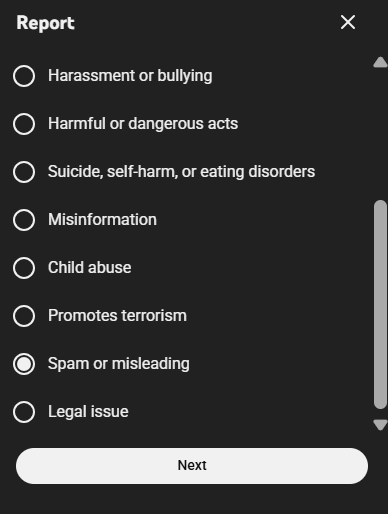
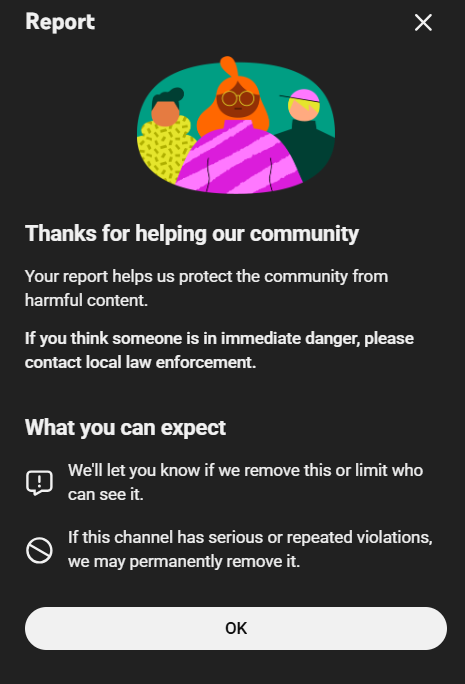
This can work well when the video is obviously breaking YouTube’s rules. Where it usually struggles is with content that is rude, biased, or unfair, but framed as “opinion.” In those gray areas, YouTube often leaves the video up, even if it feels deeply damaging to you.
When Your Privacy Is Violated
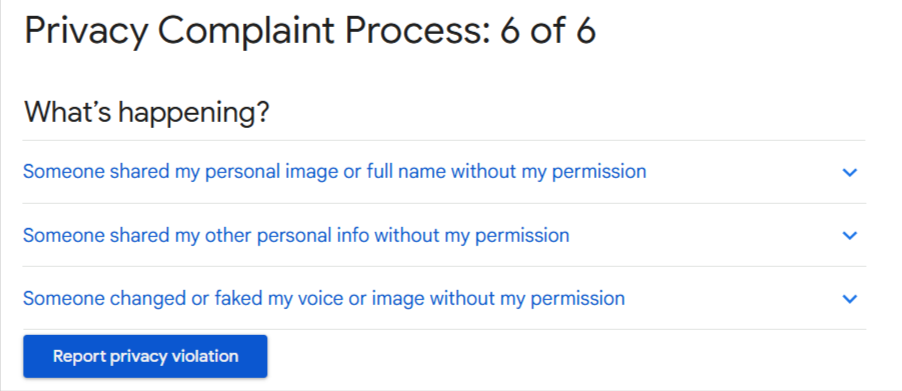
Things get more serious when a video exposes private details, like your full name, address, phone number, financial information, or a clear image or recording of you in a situation you did not agree to.
In that case, you may be able to file a privacy complaint instead of a standard report. YouTube will ask you to:
- Point out the exact video and timestamps
- Explain how it violates your privacy
- Confirm that you are the person affected or their representative
If YouTube agrees with you, they can ask the uploader to blur or edit the video, or they can remove it entirely. This is often the best route when you feel exposed, not just insulted.
When Someone Uses Your Content
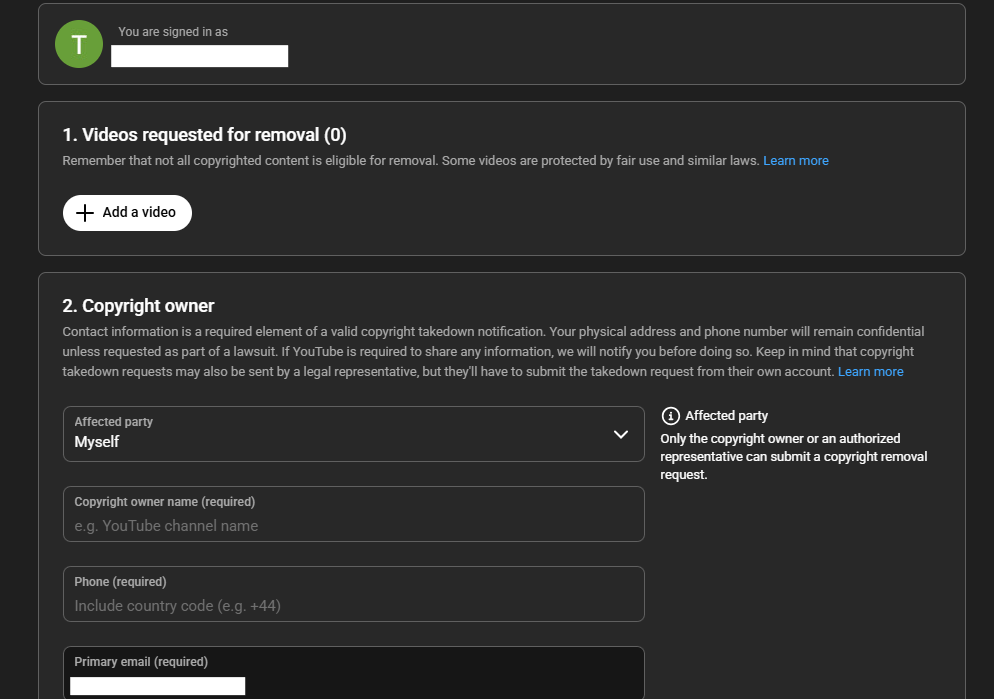
If someone has taken your original video, audio, photos, or brand assets and used them without permission, you might be able to use copyright law.
In that situation, you can file a copyright removal request, often called a DMCA takedown. You are basically telling YouTube:
- This is my content
- I did not give permission for it to be used
If your claim checks out, YouTube can remove the video and might issue a copyright strike against the uploader.
Because this is a legal process, some of your information may be shared with the person who posted the video. That is one reason many people prefer having a representative, agency, or lawyer handle DMCA filings. It feels safer and more controlled.
When the video is clearly using your content without permission, copyright takedowns are often one of the most effective ways to get it taken down.
Defamation, Harassment, and Legal Issues
Sometimes a video does more than annoy you. It tells lies, states them as facts, and damages your reputation in a serious way. Or it is part of a pattern of harassment, impersonation, or targeted attacks.
In these cases, you may need a mix of YouTube tools and legal support. That can include:
- Using YouTube’s legal issue forms for defamation or impersonation
- Having a lawyer send a cease and desist letter
- Exploring legal action if the harm is serious enough
Legal action can be slow and expensive, so it is usually reserved for more extreme situations, like fake accusations of crimes, made up stories that scare away clients, or content that creates real financial or personal damage. But it is important to know that this option exists if you need it.
Contacting the Uploader
Not every harmful video was created to destroy you. Sometimes the person posting it:
- Does not realize they got key facts wrong
- Does not understand the impact on your life or business
- Is actually open to fixing it if you approach them the right way
If that seems possible, a calm and respectful message can sometimes work surprisingly well. You can explain:
- What is inaccurate or unfair
- How it is affecting you
- What you are asking for, such as removing part of the video, blurring faces, cutting out private information, or updating the title or description
This tends to work better with smaller creators and people who care about being fair. It rarely works with trolls, drama channels, or anyone clearly acting in bad faith.
When You Cannot Get the Video Taken Down
Here is the hard part. Sometimes a video will stay up even after you report it, file complaints, or talk to a lawyer.
YouTube might see it as protected opinion, commentary, or “news.” Or they simply may not see a clear violation. That does not mean you are stuck with it front and center forever.
When removal is not realistic, the next step is suppression. Instead of trying to delete the video, you focus on pushing it down in search results so fewer people ever see it.
That usually means:
- Creating positive, accurate content about you or your business
- Building or improving your website and social profiles
- Publishing articles, interviews, or even your own videos
- Using SEO techniques so this content ranks higher than the negative video
The video still exists, but it stops being the first thing that appears when someone Googles you. In practice, that can make a huge difference in how people see you.
Where TheBestReputation.com Comes In
Trying to handle all of this by yourself can be exhausting. You are dealing with stress and emotions on top of policies, legal language, and search algorithms. That is a lot for anyone.
TheBestReputation.com is built for situations like this. Their whole focus is online reputation and damage control. They are seasoned in YouTube content takedowns and have a variety of tools at their disposal to combat negative content, including removal, legal action, and suppression. Here is how they typically help.
They start by looking at the full picture: the videos, the channels, and what shows up in search results when someone looks you up. Based on that, they put together a realistic plan that might include reports, privacy complaints, copyright action, legal coordination, direct contact, or suppression.
They can:
- Prepare and file reports that actually match YouTube’s policies
- Handle DMCA takedowns and work with attorneys when needed
- Track where the harmful content has been shared or copied and try to clean that up too
- Build a content and SEO strategy that pushes negative videos down in search results
- Monitor for reuploads or new attacks so you are not blindsided again
In short, they take the technical and strategic side off your plate, so you are not trying to be your own lawyer, marketer, and crisis manager all at once.
Why It Helps To Act Early
Harmful YouTube content rarely just sits still. The longer it stays up, the more it can be:
- Reuploaded to other channels
- Clipped and shared out of context
- Embedded in blogs, forums, and social media
- Boosted by algorithms once it starts getting views and comments
That is why it is usually better to act sooner rather than later. Early action gives you more options, whether that is removal, negotiation, or suppression, before the situation spreads and gets harder to contain.
Final Thoughts
If you are dealing with a YouTube video that feels like it is damaging your reputation, scaring off customers, or simply making your life harder, you are not stuck and you are not being “too sensitive.”
There are real tools you can use: reports, privacy complaints, copyright law, legal support, and smart reputation management. And you do not have to figure them all out by yourself.
TBR specializes in exactly this kind of problem: crisis management, content removal, and search result suppression. Their job is to help you take back control of your name, your brand, and your story online, so one video does not decide how people see you.